 Save to Pinterest
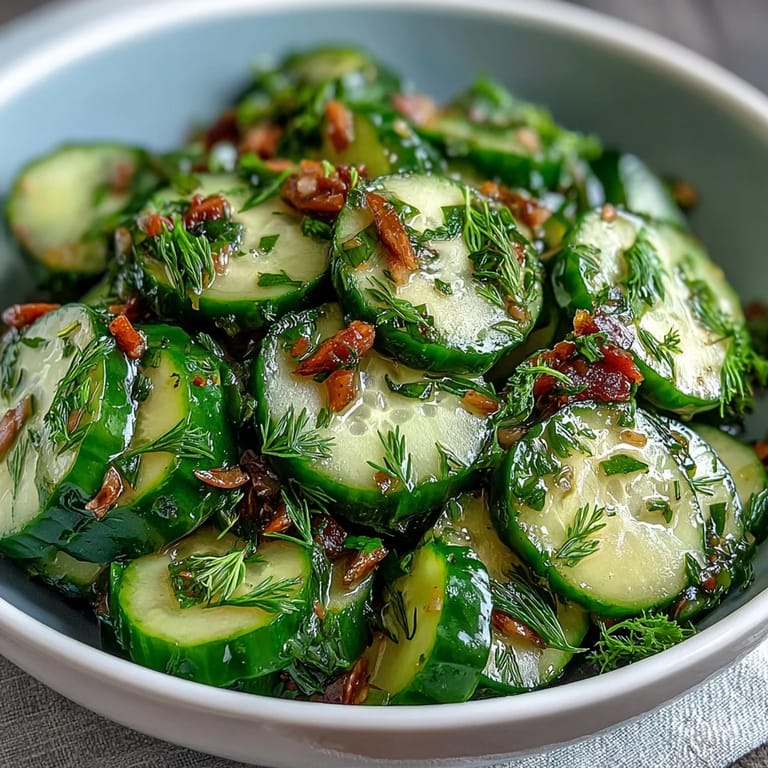
 My neighbor handed me a bunch of radishes from her garden one April afternoon, still dusty from the soil, and I realized I'd been buying them for years without actually knowing what to do with them. That evening, I sliced them paper-thin alongside some cucumbers and tossed everything with a quick vinaigrette flavored with fresh dill from my windowsill. The result was so bright and crisp that I made it again the next day, and the day after that—it became my go-to when I wanted something that felt like spring on a plate.
I served this salad at a potluck last summer where everyone was bringing heavy casseroles and pasta salads, and watching people actually come back for seconds of something so minimal was oddly satisfying. One guest asked for the recipe while still chewing, which felt like the highest compliment I could receive.
Ingredients
- Cucumbers (2 large): Choose firm ones with thin skins if possible; English cucumbers work beautifully here and require minimal seeding.
- Radishes (6): These are your peppery backbone, so don't skip them or substitute—their sharp bite is what makes this salad sing.
- Scallions (2): Slice them thinly so they distribute their mild onion flavor throughout rather than overpowering bites.
- Extra virgin olive oil (3 tablespoons): Use one you actually enjoy tasting, as it's the base of your dressing and deserves quality.
- White wine vinegar (1 tablespoon): This provides brightness without harshness; save the aggressive vinegars for other dishes.
- Dijon mustard (1 teaspoon): Acts as an emulsifier to help the oil and vinegar stay friends instead of separating.
- Honey (1 teaspoon): A whisper of sweetness that softens the vinegar's edge and rounds out the flavor profile.
- Fresh dill (2 tablespoons): This is not optional—dried dill tastes like hay by comparison, so use fresh or consider postponing this recipe.
- Salt and freshly ground black pepper: Season generously; vegetables are forgiving and often need more seasoning than you'd expect.
Tired of Takeout? 🥡
Get 10 meals you can make faster than delivery arrives. Seriously.
One email. No spam. Unsubscribe anytime.
Instructions
- Slice your vegetables with intention:
- Arrange your cucumbers and radishes on a cutting board and slice them thinly and evenly—aim for almost translucent if you can manage it. This takes a few minutes but makes the final texture uniform and elegant.
- Combine everything in a large bowl:
- Toss the sliced cucumbers, radishes, and scallions together gently, as if you're handling something delicate that might bruise. The bowl should feel spacious enough that vegetables aren't crushed together.
- Build your vinaigrette:
- In a separate small bowl or jar, whisk the olive oil, white wine vinegar, mustard, honey, and fresh dill together until the mixture looks creamy and emulsified. You'll notice the mustard helps bind everything together into something cohesive.
- Dress the salad with a light hand:
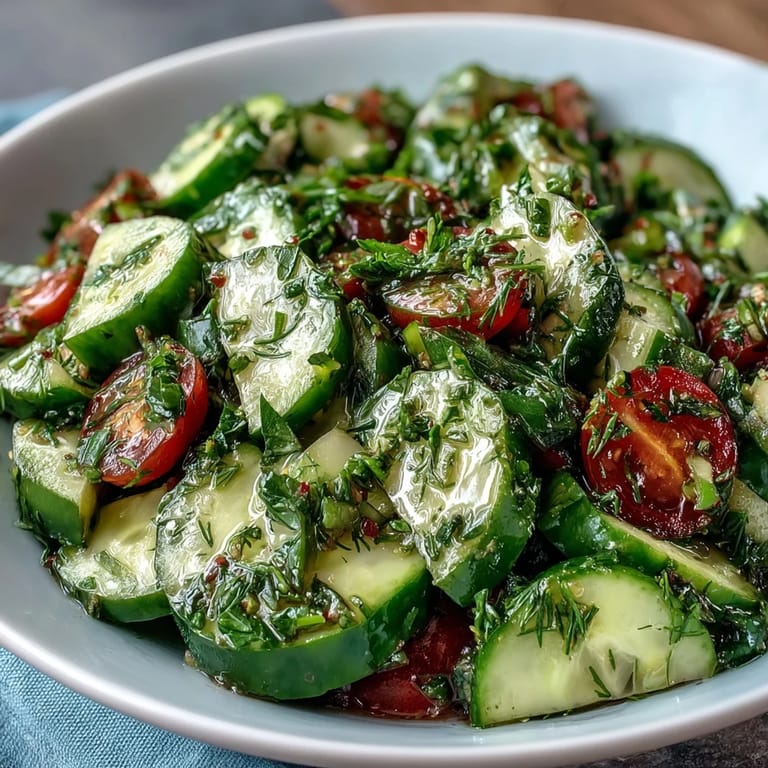
- Pour the vinaigrette over your vegetables and toss gently, making sure every slice gets a chance to meet the dressing without getting knocked around. Taste a piece and adjust seasoning—this is your moment to decide if it needs more salt or pepper.
- Let it rest and develop:
- Give the salad 5 to 10 minutes to sit before serving, allowing the dressing to soften the vegetables slightly while they release their own juices. This is when the real magic happens, as flavors begin talking to each other.
 Save to Pinterest
 My daughter once asked why this salad tasted different than the one I'd made the week before, and when I checked, I realized I'd forgotten the honey. That small sweetness is the secret ingredient that transforms sharp vinegar into something almost luxurious, and I've never forgotten it again.
Variations That Keep Things Interesting
Once you've made this salad a few times, you'll start seeing opportunities to play with it. I've added thinly sliced fennel for an anise note, thrown in some crisp celery for extra crunch, and even experimented with apple cider vinegar when I wanted something slightly earthier and less bright. The base is forgiving enough to handle these additions, though I'd recommend changing only one thing at a time so you can taste what's actually shifting.
What to Serve It Alongside
This salad shines next to anything grilled or roasted—the cool crispness balances perfectly against warm, rich proteins. I've served it with everything from delicate white fish to hearty roasted chicken, and it never overshadows the main dish but instead makes you want another bite of both.
Storage and Make-Ahead Strategy
If you're planning ahead, slice your vegetables the morning of and keep them in separate containers in the fridge, then assemble and dress everything just before serving. The vinaigrette can be made up to two days ahead and stored in a jar, actually improving slightly as flavors marry together. One last thought worth noting: this isn't a salad that improves with time like a marinating vegetable dish, so treat it as something best served fresh and crisp.
- Vegetables taste best on the day they're sliced, so avoid prepping more than a few hours in advance.
- The vinaigrette keeps beautifully in the refrigerator and can be made a full day ahead if you're organized enough.
- Leftover dressed salad is still delicious the next day, though less crunchy—I've eaten it straight from the fridge as a quick lunch.
 Save to Pinterest
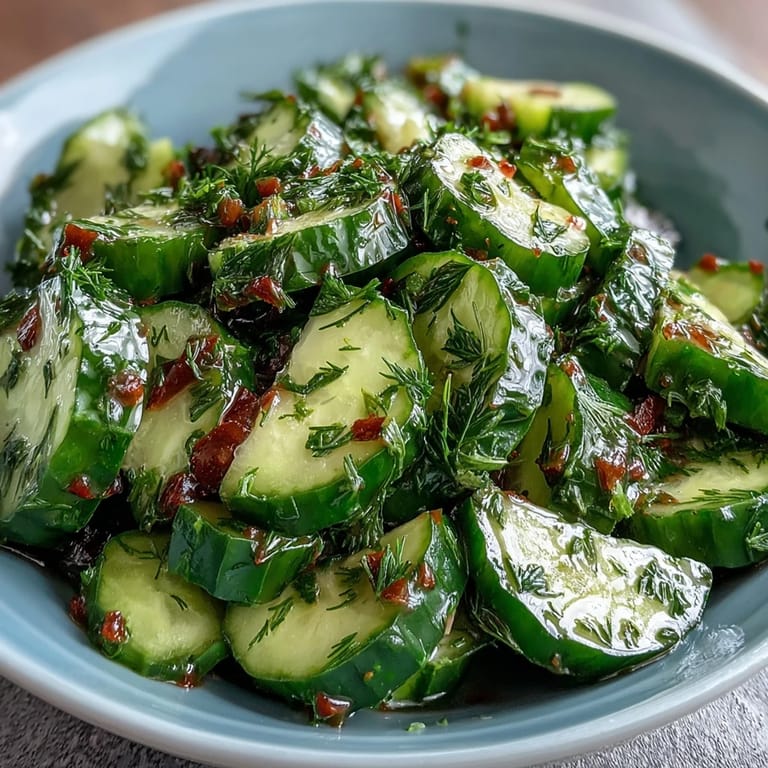
 This simple salad taught me that sometimes the most satisfying meals are the ones where quality ingredients are treated with respect rather than hidden under heavy sauces. Return to it whenever you need reminding that cooking doesn't have to be complicated to be memorable.
Recipe FAQs
- → What gives the salad its bright flavor?
The dressing combines white wine vinegar, Dijon mustard, honey, and fresh dill, creating a tangy and aromatic vinaigrette that enhances the fresh vegetables.
- → Can I substitute any ingredients in the vinaigrette?
Yes, apple cider vinegar can replace white wine vinegar for a slightly tangier taste without overpowering the salad.
- → How long should the salad rest before serving?
Letting the salad sit for 5–10 minutes allows the flavors to meld and ensures each bite is flavorful and balanced.
- → What vegetables can I add for extra crunch?
Thinly sliced celery or fennel are excellent additions to add crunch and elevate the texture.
- → Is this dish suitable for gluten-free diets?
Yes, the salad is naturally gluten-free, but ensure all packaged ingredients, such as mustard, are certified gluten-free.