Save to Pinterest
 My cousin's garden party last May caught me off guard when she asked me to bring dessert with zero notice. I found myself standing in the kitchen at midnight, suddenly inspired by the potted violets on my windowsill and a half-remembered conversation about lemon cakes. By 2 AM, I'd assembled this spring floral cake, and watching it emerge from the oven felt like solving a puzzle I didn't know I was working on. The white chocolate drip came together almost by accident, and when the edible flowers caught the morning light on her dessert table, I realized I'd stumbled onto something genuinely special.
I'll never forget my neighbor stopping by unannounced while I was frosting this cake and just standing in my kitchen doorway, watching silently until she asked if she could help. We ended up decorating it together, her hands steadier than mine with the drip, and that cake became the bridge between two people who'd lived next door for three years without really talking. Food has a way of doing that sometimes.
Ingredients
- All-purpose flour (2 ½ cups): The backbone of a tender crumb—sift it if your kitchen is humid, as moisture affects how the flour packs.
- Baking powder (2 ½ tsp): This is what gives you those three gorgeous, pillowy layers without any dense spots hiding in the middle.
- Unsalted butter (1 cup for sponge, 1 cup for frosting): Room temperature butter creams into the sugar properly, trapping tiny air bubbles that make the cake light rather than dense and gummy.
- Granulated sugar (1 ¾ cups): Don't skimp here—the creaming process depends on this amount to build structure.
- Eggs (4 large, room temperature): Cold eggs won't incorporate properly and you'll end up with a grainy batter instead of silky.
- Vanilla extract (1 tbsp): Real vanilla makes a noticeable difference; the imitation stuff tastes slightly metallic in comparison.
- Whole milk (1 cup, room temperature): Alternating with flour keeps the batter from becoming overworked, which would toughen the cake.
- Powdered sugar (4 cups): Sifting this prevents lumpy frosting, which I learned the hard way.
- Fresh lemon juice (2 tbsp) and zest (2 tsp): Fresh juice tastes alive; bottled lemon juice tastes like plastic memories of lemons.
- Heavy cream (⅓ cup): The tiny amount of warmth transforms white chocolate into something glossy and pourable instead of clumpy.
- White chocolate chips (1 cup): Quality matters here because cheap white chocolate has vegetable oil and tastes waxy.
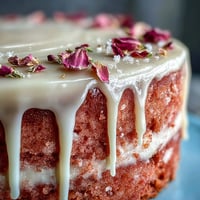
- Edible flowers: Your whole cake hinges on this—ensure they're truly pesticide-free from a reliable botanical source, never ornamental flowers from a florist.
Tired of Takeout? 🥡
Get 10 meals you can make faster than delivery arrives. Seriously.
One email. No spam. Unsubscribe anytime.
Instructions
- Prepare your stage:
- Preheat your oven to 350°F and grease three 8-inch round pans with parchment paper. This sounds fussy, but it's the difference between a cake that slides out effortlessly and one that sticks, tearing the edges.
- Dry mixture first:
- Whisk flour, baking powder, and salt together in a medium bowl. This distributes the leavening evenly so you don't get random pockets of dense cake.
- Cream the butter and sugar:
- Beat softened butter with granulated sugar for 3 to 4 minutes until it's pale and fluffy. You're literally aerating the butter here, creating hundreds of tiny air pockets that'll make your cake tender.
- Add eggs gently:
- Add eggs one at a time, beating well after each addition. Rushing this step means the eggs don't fully incorporate and your batter looks curdled and sad.
- Alternate wet and dry:
- Pour in the flour mixture and milk alternately, starting and ending with flour. This prevents overworking the batter, which would activate too much gluten and result in a tough cake.
- Divide and bake:
- Split the batter evenly among your three pans and bake for 25 to 30 minutes until a toothpick comes out clean. The cakes should smell like vanilla dreams and look golden at the edges.
- Cool with patience:
- Leave them in the pans for 10 minutes, then turn out onto wire racks to cool completely. If you rush this, the warm cake tears.
- Make the frosting magic:
- Beat softened butter until it's creamy, then gradually add powdered sugar, beating until smooth. The slow addition prevents powdered sugar clouds from coating your entire kitchen.
- Brighten with lemon:
- Mix in lemon juice, zest, and just enough milk to reach a spreadable consistency. If it's too thick, add milk one tablespoon at a time; too thin and it'll slide off the cake.
- Stack and frost:
- Level your cooled cakes if necessary, then place one layer on a plate and frost the top. Repeat with the remaining layers, then frost the sides and top smoothly with an offset spatula.
- Make the white chocolate drip:
- Heat heavy cream until it just simmers, pour it over white chocolate in a heatproof bowl, let it sit for 2 minutes, then stir until completely smooth. This method prevents grainy chocolate.
- Drip with intention:
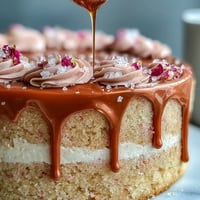
- Using a spoon or squeeze bottle, gently drip ganache around the edge of the cake, letting gravity do the work. Pour the remaining ganache on top and spread gently for that Instagram-worthy look.
- Decorate at the last moment:
- Arrange edible flowers on top just before serving so they stay fresh and vibrant rather than wilting into the frosting.
 Save to Pinterest
 There's a moment when you're frosting this cake and step back to see those three perfect layers coming together that you feel genuinely proud—not for any impressive reason, but because you made something beautiful with your own hands. That feeling lingers longer than the cake lasts.
The Lemon Frosting Secret
The brightness of this frosting comes from using both juice and zest, but the real trick I discovered is adding the zest after the lemon juice. The acidic juice helps distribute the zest evenly throughout the frosting so you get those little bursts of lemon oil in every bite rather than just tasting sweetness with occasional lemon flavor. This cake taught me that frosting is where you hide the personality of a dessert.
Why Three Layers Matter
Two-layer cakes are fine, but three layers create a sense of luxury that justifies the extra baking time. Each layer is thinner and more tender, and the frosting becomes part of the cake's structure rather than just a coating. Plus, when someone cuts into it, they see those beautiful striped layers and frosting, and suddenly you're not just serving cake—you're presenting edible architecture.
Spring Celebrations and Beyond
This cake earned its place in my rotation because it works for so many occasions—bridal showers, garden parties, Mother's Day, even an apology cake when you've been distant from someone. The edible flowers make it feel seasonal and special, but the actual flavors are classic enough that people return to this cake year after year.
- If you can't find safe edible flowers, candied lemon slices and fresh mint create a similar visual impact without the sourcing concern.
- Make the cake layers a day ahead and freeze them—they're actually easier to frost when completely cold and won't crumble.
- This cake pairs beautifully with sparkling wine, but also shines alongside a cup of Earl Grey or even black coffee if you want something less formal.
 Save to Pinterest
 This cake became my answer to the question of how to make something look fancy without feeling like you've spent all day baking. Honestly, once you've made it once, you'll understand why people keep asking for it.
Recipe FAQs
- → How do I achieve a moist vanilla sponge?
Beat the butter and sugar thoroughly until light and fluffy, then add eggs one at a time. Alternate adding dry ingredients and milk carefully to avoid overmixing for a tender crumb.
- → What is the best way to make the lemon frosting smooth?
Beat softened butter first until creamy, then gradually add sifted powdered sugar, lemon juice, and zest. Add milk slowly to get a spreadable consistency without lumps.
- → How can I create a perfect white chocolate drip?
Heat heavy cream just until simmering, pour over white chocolate and let sit before stirring. Cool slightly to thicken but keep pourable, then drip gently around the chilled cake edges.
- → Are all flowers safe to use on the cake?
Use only edible, pesticide-free flowers such as violets, pansies, or rose petals. Verify with a reliable source to ensure safety for consumption.
- → Can I prepare this cake ahead of time?
Yes, store it refrigerated for up to three days. Bring to room temperature before serving to restore creaminess and flavor balance.