 Save to Pinterest
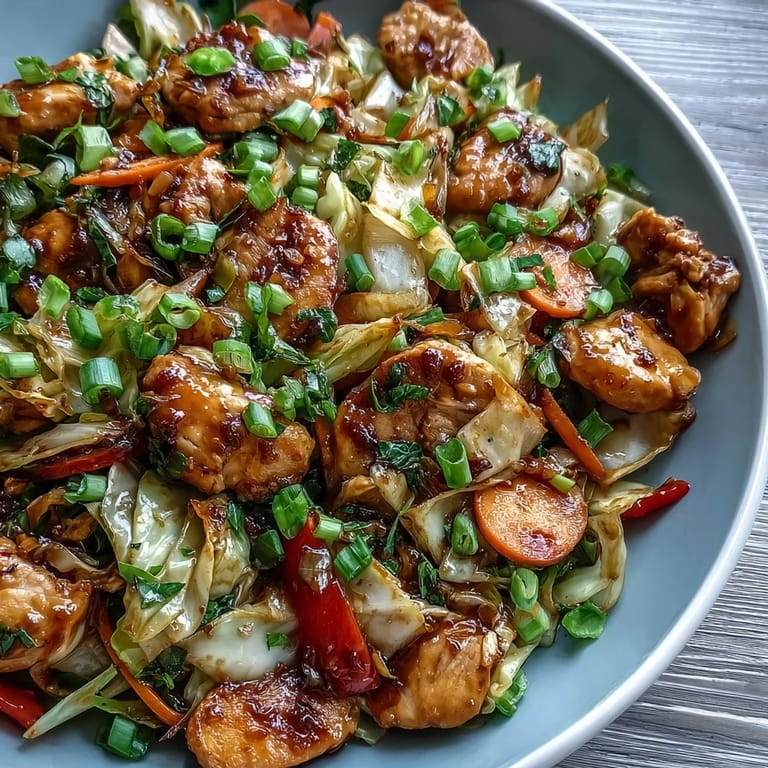
 My neighbor once brought me a bag of cabbage from her garden, and I had no idea what to do with that much of it. I wasn't about to make coleslaw for the third time that week, so I started slicing it thin and tossing it into my usual chicken stir-fry. The cabbage turned sweet and tender, soaking up every bit of the sauce while still keeping that satisfying crunch. That night, I realized cabbage deserved way more credit than I'd been giving it.
I made this on a Tuesday night when everyone was tired and hungry, and nobody wanted to wait. The kitchen filled with the smell of ginger and garlic hitting hot oil, and suddenly everyone was hovering around the stove. My son grabbed a piece of chicken straight from the pan before I even plated it. It became our go-to meal whenever we needed something fast, filling, and actually exciting to eat.
Ingredients
- Boneless, skinless chicken breast or thighs (500 g / 1 lb), thinly sliced: Thighs stay juicier and more forgiving if you overcook them slightly, but breasts work great if you slice them thin and don't walk away from the pan.
- Green cabbage (1 small head, about 600 g / 1.3 lbs), cored and thinly sliced: Slice it as thin as you can so it cooks quickly and picks up all that sauce without turning limp.
- Carrot (1 medium), julienned: Adds a little sweetness and a pop of color that makes the whole dish look more vibrant.
- Red bell pepper (1), thinly sliced: It softens just enough to be tender but keeps a slight snap that balances the cabbage perfectly.
- Green onions (3), sliced: Toss these in at the end so they stay bright and sharp, cutting through the richness of the sauce.
- Soy sauce (3 tbsp): This is your salt and your umami base, so use a good one if you have it.
- Oyster sauce (1 tbsp): It adds a deep, slightly sweet flavor that makes the sauce cling to everything.
- Hoisin sauce (1 tbsp): Brings a hint of sweetness and complexity that rounds out the salty and tangy notes.
- Rice vinegar (1 tbsp): Brightens the whole sauce and keeps it from feeling too heavy.
- Sesame oil (2 tsp): Just a little goes a long way, adding that toasty, nutty finish.
- Cornstarch (2 tsp): Mixed with water, this thickens the sauce so it coats the chicken and veggies instead of pooling at the bottom.
- Water (2 tbsp): Helps the cornstarch blend smoothly and loosens the sauce just enough.
- Sugar (1 tsp): Balances the salty and tangy flavors without making it sweet.
- Vegetable oil (2 tbsp): Use something neutral that can handle high heat without smoking.
- Garlic (3 cloves), minced: Fresh garlic makes all the difference, filling the kitchen with that instant hit of flavor.
- Fresh ginger (1-inch piece), peeled and grated: Grate it fine so it melts into the dish, adding warmth and a little spice.
Tired of Takeout? 🥡
Get 10 meals you can make faster than delivery arrives. Seriously.
One email. No spam. Unsubscribe anytime.
Instructions
- Mix the sauce:
- In a small bowl, whisk together soy sauce, oyster sauce, hoisin sauce, rice vinegar, sesame oil, cornstarch, water, and sugar until smooth. Set it within reach so you can pour it in without scrambling later.
- Cook the chicken:
- Heat 1 tablespoon vegetable oil in a large skillet or wok over medium-high heat, then add the chicken in a single layer. Let it cook undisturbed for a minute or two so it gets a nice golden edge, then stir and cook for another 3 minutes until cooked through.
- Sauté the aromatics:
- Remove the chicken and set it aside, then add the remaining tablespoon of oil to the pan. Toss in the garlic and ginger, stirring constantly for about 30 seconds until the smell hits you and they just start to turn golden.
- Stir-fry the vegetables:
- Add the cabbage, carrot, and bell pepper all at once, stirring frequently so everything cooks evenly. After 3 to 4 minutes, the cabbage should be tender but still have a little bite.
- Bring it all together:
- Return the chicken to the pan, pour in the sauce, and toss everything together until the sauce thickens and clings to every piece. This takes about 2 to 3 minutes, and you'll see it go from watery to glossy.
- Finish and serve:
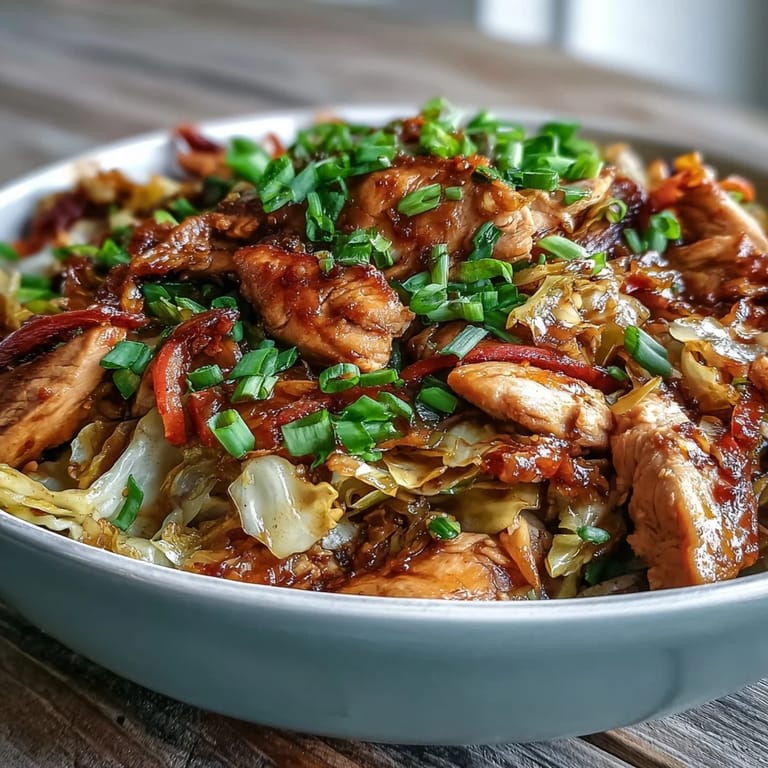
- Stir in the green onions, taste, and add more soy sauce or a pinch of sugar if it needs it. Serve it hot, straight from the pan or over rice.
 Save to Pinterest
 One night, my friend came over feeling stressed and exhausted, and I made this without even asking what she wanted. She sat at the counter, picking at the green onions while I cooked, and by the time we sat down to eat, she was laughing again. Sometimes a simple meal like this does more than fill you up.
Swapping the Protein
I've made this with tofu, shrimp, and even thinly sliced pork, and every version worked beautifully. If you use tofu, press it well and cut it into cubes so it gets crispy on the edges. Shrimp cooks faster than chicken, so keep an eye on it and pull it out as soon as it turns pink. Pork works best if you slice it as thin as the chicken and cook it just as fast.
Making It Your Own
This recipe is forgiving and adaptable, so don't be afraid to throw in what you have. I've added snap peas, broccoli, mushrooms, and even zucchini when I needed to clear out the fridge. A pinch of chili flakes or a drizzle of sriracha turns it into something with a kick. If you want it a little sweeter, add another teaspoon of sugar or a splash of honey.
Serving and Storing
I usually serve this over jasmine rice because it soaks up the sauce so well, but it's also great with brown rice or even wide rice noodles. Leftovers keep in the fridge for up to three days, and I actually think the flavors get better as they sit. Just reheat it gently in a skillet with a splash of water to loosen the sauce.
- Store it in an airtight container and keep the rice separate if you can so it doesn't get soggy.
- If you're meal prepping, double the recipe and pack it into containers with rice for easy lunches.
- Reheat it on the stove instead of the microwave if you want to bring back that fresh stir-fried texture.
 Save to Pinterest
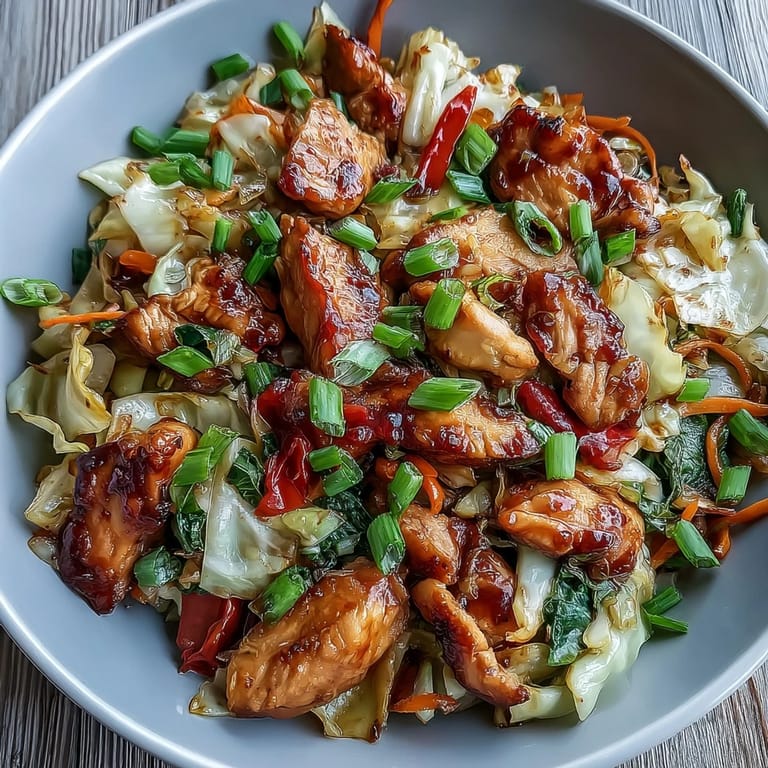
 This dish taught me that weeknight dinners don't have to be boring or complicated to be something worth sitting down for. I hope it becomes one of those recipes you reach for when you need something quick, satisfying, and just a little bit special.
Recipe FAQs
- → Can I use chicken thighs instead of chicken breast?
Yes, boneless skinless chicken thighs work perfectly and often stay more tender and juicy during stir-frying. Use the same amount and cooking time.
- → How do I make this stir-fry gluten-free?
Replace regular soy sauce with tamari and ensure your oyster sauce and hoisin sauce are certified gluten-free brands. Check all labels carefully for hidden gluten.
- → Can I prepare the sauce ahead of time?
Absolutely. Whisk the sauce ingredients together and store in an airtight container in the refrigerator for up to 3 days. Whisk again before using.
- → What other vegetables can I add to this stir-fry?
Snap peas, broccoli florets, mushrooms, or bok choy all work wonderfully. Just adjust cooking times based on the vegetable—harder vegetables need more time than leafy greens.
- → How do I prevent the cabbage from getting soggy?
Cook over medium-high heat and avoid overcrowding the pan. Stir-fry the cabbage for only 3-4 minutes to maintain its crisp-tender texture.
- → Can I substitute another protein for chicken?
Yes, firm tofu, shrimp, beef, or pork all work well. Adjust cooking times accordingly—shrimp cooks faster while beef may need slightly longer.