 Save to Pinterest
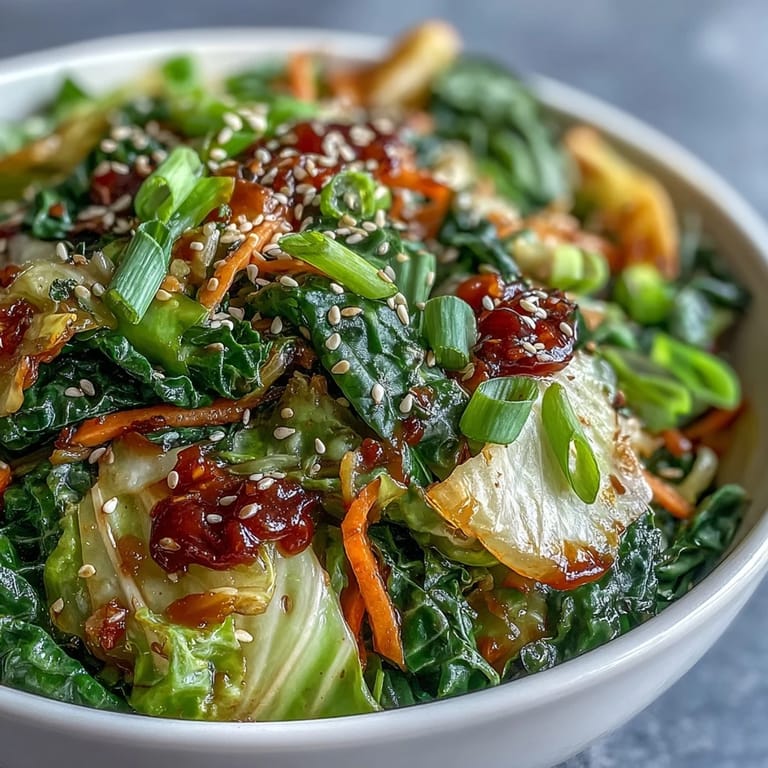
 The smell of garlic and ginger hitting hot oil always pulls me straight into the moment. I started making this cabbage stir-fry on a Tuesday night when I had nothing but half a head of cabbage and a craving for something sharp and lively. The first bite surprised me with how much flavor could come from so little, and the crunch kept me coming back for more. Now it's my go-to when I want something fast that doesn't taste like I rushed it. It's become the dish I make when I need to clear my head and fill my kitchen with good smells.
I remember serving this to a friend who swore she hated cabbage. She stood in my kitchen, skeptical, watching me toss it in the wok with steam rising and the sauce sizzling. After one forkful, she went quiet, then asked for seconds. That night taught me that texture and seasoning can change someone's mind about an ingredient they've written off. It's not about the cabbage itself, it's about what you do with it.
Ingredients
- Green cabbage: The star of the dish, it holds up to high heat and keeps its crunch, making sure every bite has body and texture.
- Carrot: Adds a hint of sweetness and a pop of color that breaks up the green and makes the plate look alive.
- Scallions: Bring a mild onion flavor that doesn't overpower, and they soften just enough to blend into the stir-fry.
- Garlic: The foundation of the aromatics, it blooms in hot oil and fills your kitchen with that unmistakable sizzle and scent.
- Fresh ginger: Adds warmth and a slight bite that complements the tangy sauce and makes the dish feel bright.
- Soy sauce: Provides the salty, umami backbone that ties everything together and deepens the flavor.
- Rice vinegar: The tangy punch that makes this dish "sour" and keeps it from feeling flat or heavy.
- Chili paste: Delivers the heat and a touch of fermented complexity that makes each bite a little exciting.
- Sugar: Balances the acid and spice, rounding out the sauce so it doesn't taste sharp or one-note.
- Toasted sesame oil: A few drops add a nutty aroma that makes the whole dish smell richer and more complete.
- Vegetable oil: The cooking fat that can handle high heat without smoking, letting you stir-fry without worry.
- Black pepper and salt: Simple seasonings that enhance everything else and let you adjust the final taste to your liking.
- Toasted sesame seeds: Optional, but they add a subtle crunch and a finishing touch that makes the dish feel intentional.
Tired of Takeout? 🥡
Get 10 meals you can make faster than delivery arrives. Seriously.
One email. No spam. Unsubscribe anytime.
Instructions
- Mix the sauce:
- In a small bowl, whisk together soy sauce, rice vinegar, chili paste, sugar, and sesame oil until the sugar dissolves. Set it aside so the flavors can mingle while you prep the vegetables.
- Heat the wok:
- Pour vegetable oil into a large wok or skillet and set it over medium-high heat until the oil shimmers and moves easily across the surface. This high heat is what gives the vegetables their quick sear and keeps them crisp.
- Bloom the aromatics:
- Add minced garlic and ginger, stirring constantly for about thirty seconds until they turn fragrant and just start to color. Don't let them burn or they'll taste bitter.
- Stir-fry the vegetables:
- Toss in the sliced cabbage and julienned carrot, stirring and flipping them in the hot oil for three to four minutes. They should wilt slightly but still have plenty of snap.
- Add the sauce:
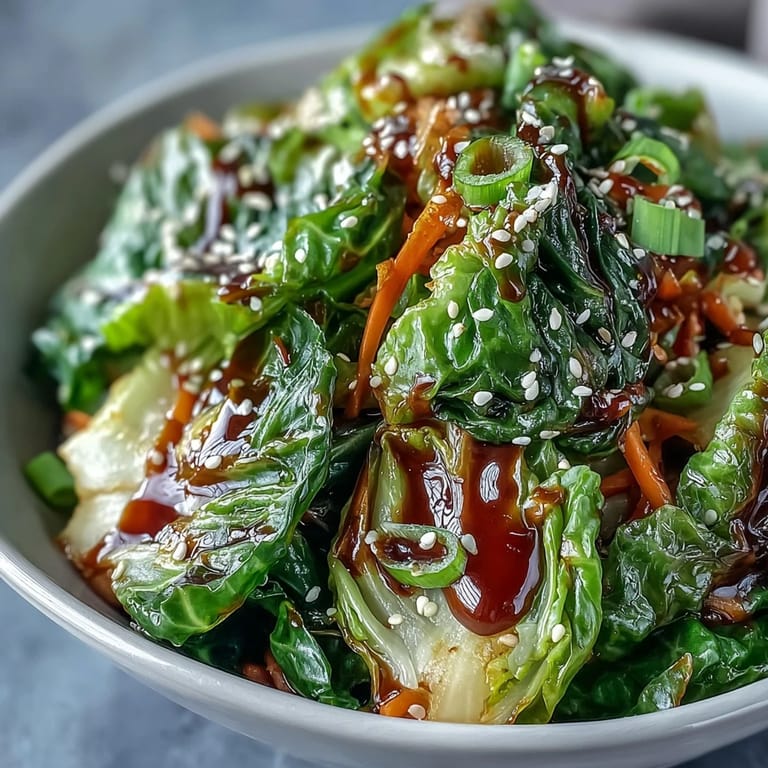
- Pour the prepared sauce over the vegetables and toss everything together, coating each piece evenly. Stir-fry for another two to three minutes until the cabbage is tender-crisp and the sauce clings to every strand.
- Season and finish:
- Stir in black pepper, salt, and sliced scallions, cooking for one more minute so the scallions soften just a bit. Taste and adjust the seasoning if needed.
- Serve:
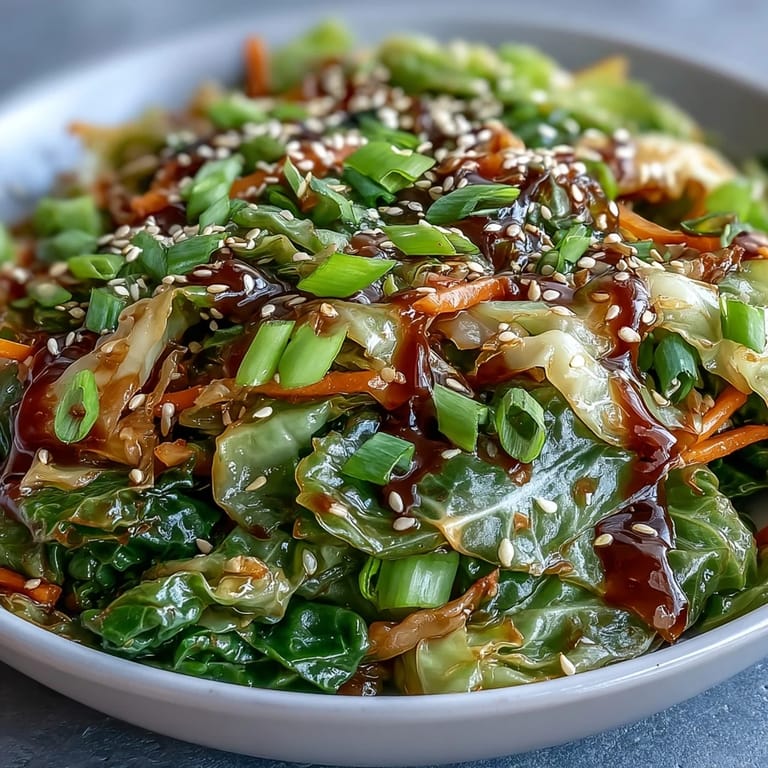
- Transfer the stir-fry to a serving dish and sprinkle with toasted sesame seeds and extra scallions if you like. Serve it hot while the vegetables still have their crunch.
 Save to Pinterest
 One evening I made this for myself and ended up eating it straight from the wok, standing at the stove with chopsticks. There was something satisfying about the heat, the crunch, and the way the sauce clung to each ribbon of cabbage. It wasn't fancy, but it felt good, and I realized that sometimes the best meals are the ones you don't share with anyone. That quiet moment reminded me why I love cooking in the first place.
How to Get the Best Texture
The key to keeping cabbage crisp is high heat and constant movement. If your stove runs cool, work in smaller batches so the temperature stays up and the vegetables sear instead of sweating. I learned this the hard way after a soggy batch that tasted fine but had no life to it. Now I crank the heat, keep my spatula moving, and never walk away from the wok. The difference is immediate and worth the extra attention.
Adjusting the Flavor Balance
If you want more sour, add an extra splash of rice vinegar at the end. If you crave more heat, stir in a pinch of red pepper flakes or an extra spoonful of chili paste. I've made this dozens of times and never the exact same way twice, because my taste changes with the season and my mood. The recipe is forgiving and responds well to tinkering, so trust your palate and make it yours.
Serving and Pairing Ideas
This stir-fry shines alongside steamed jasmine rice or a simple bowl of noodles. I've also served it next to grilled tofu, pan-seared fish, or roasted chicken, and it always holds its own. The tangy, spicy flavors cut through richer dishes and add brightness to the plate. One night I piled it on top of warm rice and cracked a fried egg over it, letting the yolk run into the cabbage and sauce. That became a new favorite way to eat it, and I've done it at least a dozen times since.
- Try adding sliced mushrooms or bell peppers for more color and texture.
- Swap green cabbage for Napa cabbage if you want a softer, sweeter result.
- Leftovers reheat well in a hot skillet, regaining some of their crunch if you stir-fry them briefly.
 Save to Pinterest
 This dish has become my proof that simple ingredients and bold seasoning can turn into something memorable. Make it once and you'll understand why a head of cabbage and a few pantry staples can feel like a small celebration.
Recipe FAQs
- → Can I use Napa cabbage instead of green cabbage?
Yes, Napa cabbage works wonderfully and provides a milder, more delicate flavor. It will cook slightly faster, so reduce the stir-fry time by 1-2 minutes to maintain its crisp texture.
- → How can I make this dish spicier?
Increase the chili paste to 2 tablespoons or add red pepper flakes to taste. You can also include sliced fresh Thai chilies during the stir-frying process for extra heat.
- → What can I serve with hot and sour cabbage?
This pairs excellently with steamed jasmine or brown rice, grilled chicken, tofu, or fish. It also complements noodle dishes and works well as part of a larger Chinese-style meal spread.
- → How do I store leftovers?
Store in an airtight container in the refrigerator for up to 3 days. The cabbage will soften slightly upon storage. Reheat in a hot wok or skillet to restore some crispness.
- → Can I add other vegetables to this dish?
Absolutely. Sliced bell peppers, mushrooms, snap peas, or baby corn make excellent additions. Add firmer vegetables early in the cooking process and tender ones near the end.
- → Is this dish truly gluten-free?
It can be gluten-free if you substitute regular soy sauce with tamari or a certified gluten-free soy sauce. Always verify all condiment labels to ensure they meet gluten-free standards.