 Save to Pinterest
 There's something about roasting vegetables on a grey January afternoon that turns the kitchen into this warm, golden sanctuary. I'd been standing at the farmers market, overwhelmed by winter's limited palette, when a vendor handed me a slice of butternut squash to taste. That sweet, nutty flavor sparked something, and suddenly I was imagining layers of roasted vegetables cradled in something creamy and unexpected. The butter bean hummus came to me halfway home on the bus, and by evening, I had this salad that felt both cozy and alive, like winter finally made sense on a plate.
I served this to my partner on one of those nights when neither of us felt like cooking but also refused to order takeout. Watching him go back for seconds, then thirds, without a single comment about it being 'just salad'—that's when I knew this had staying power. Now it's become our quiet winter ritual, something we make when we need to feel nourished but also a little bit fancy.
Ingredients
- Butternut squash: Buy one that feels heavy for its size; the denser ones have better flavor and less watery flesh, which means truer caramelization in the oven.
- Sweet potatoes: Cube them the same size as your squash so everything finishes cooking at exactly the right moment, golden and yielding.
- Red bell peppers: They're sweeter than other colors and their mild heat plays beautifully against the earthiness of the roasted roots.
- Tahini: Use the good stuff here—it's the backbone of your hummus, and a bitter or old tin will sabotage the whole thing.
- Butter beans: Canned is perfectly fine; just rinse them thoroughly to remove the starch and any metallic taste.
- Extra-virgin olive oil: Save this for the hummus and drizzling; use regular olive oil for roasting to avoid any burnt, acrid notes.
- Mixed seeds: Toasting them yourself changes everything—they go from flat to perfumed and alive.
Tired of Takeout? 🥡
Get 10 meals you can make faster than delivery arrives. Seriously.
One email. No spam. Unsubscribe anytime.
Instructions
- Heat your oven and prep the vegetables:
- Set the oven to 200°C and while it warms, cut your squash and sweet potatoes into bite-sized cubes, roughly 2 centimeters. Slice your peppers into fat strips so they stay tender rather than shriveling.
- Toss and roast:
- Scatter everything on a baking tray, drizzle generously with olive oil, and season boldly with salt and pepper. You want the oil to coat every piece so it can properly caramelize, not steam.
- Turn and roast:
- After about 15 minutes, give everything a gentle stir and turn the vegetables so the other sides can kiss the heat. The squash should eventually turn deep golden at the edges, almost translucent in places—that's when it's done.
- Make the hummus while vegetables roast:
- In your food processor, combine drained butter beans, tahini, lemon juice, crushed garlic, olive oil, and cumin. Pulse into rough chunks first, then blend smooth, adding water slowly until it's creamy but still holds its shape.
- Toast the seeds:
- While the oven's still going, toss your mixed seeds into a dry skillet over medium heat and listen for them to start crackling softly. Once they smell nutty and toasted, pour them onto a plate before they turn bitter.
- Assemble and serve:
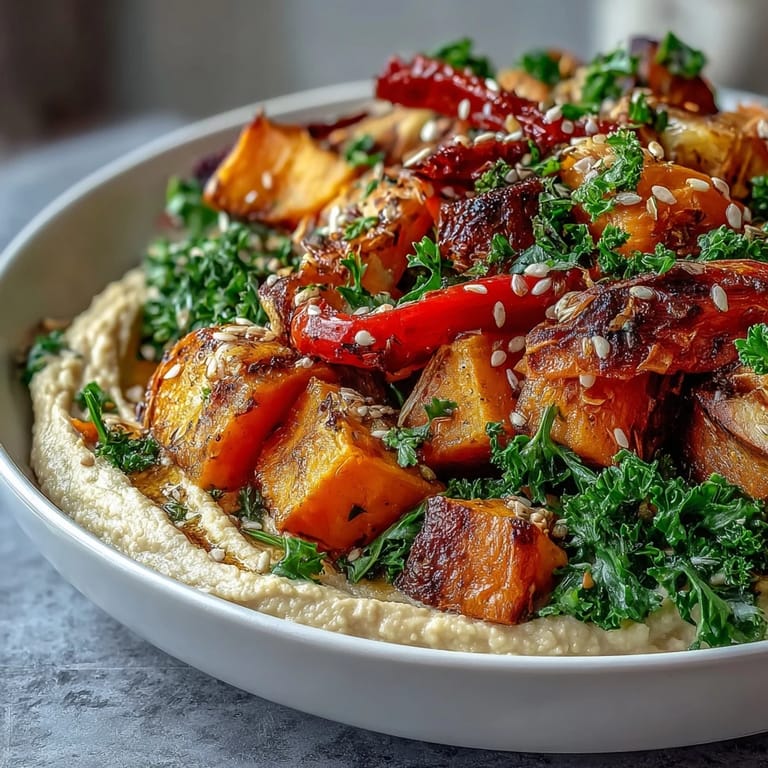
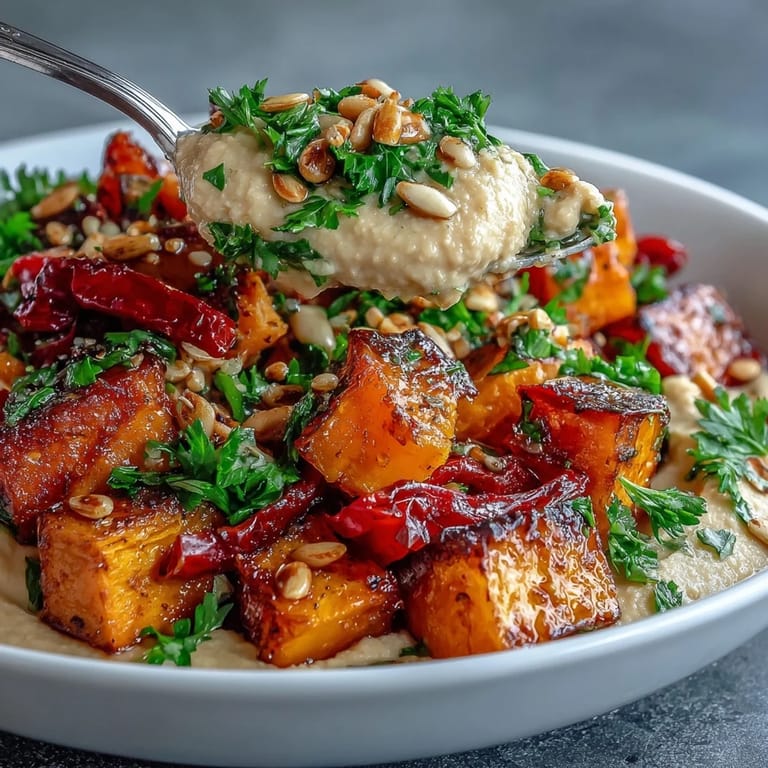
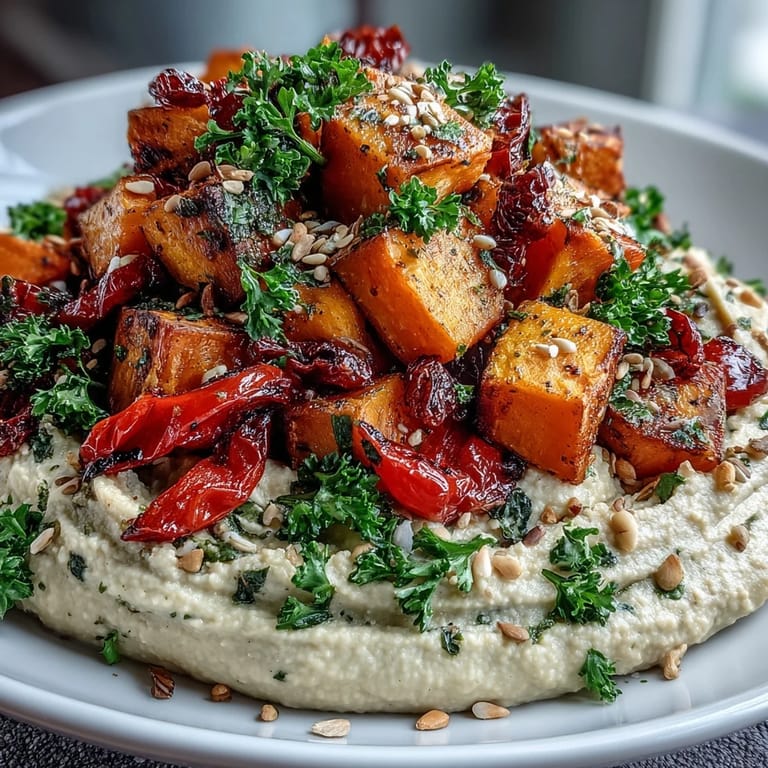
- Smear each plate with a generous spoonful of hummus, letting it pool slightly. Layer your warm roasted vegetables on top, scatter the toasted seeds everywhere, and finish with fresh parsley and a whisper of smoked paprika if you have it.
 Save to Pinterest
 There was a moment last February when my best friend came over exhausted from work, and I plated this up without asking if she was hungry. She took one bite and just closed her eyes, and we didn't really talk for twenty minutes, just sat there eating. That's when I understood that some meals are about feeding the spirit, not just the belly.
Why Roasting Changes Everything
Raw vegetables on a winter salad can feel like punishment, but roasting transforms them into something entirely different. The heat concentrates their natural sugars, the edges caramelize into honeyed crispy bits, and the whole dish stops feeling like obligation and starts feeling like indulgence. There's chemistry happening in that oven—it's not just cooking, it's alchemy.
The Butter Bean Revelation
I used to think all hummus was chickpea hummus until someone left me a container of butter bean version at a dinner party. It's airier, silkier, and somehow more sophisticated without trying to be. Now chickpea hummus feels heavy by comparison, and butter beans have become my secret weapon in the kitchen.
Toasting, Timing, and Other Small Miracles
The difference between raw and toasted seeds is the difference between a salad and an event. Toast them too long and they become bitter; not long enough and they taste like edible sadness. There's a moment, usually right when you think they might be close, where the aroma shifts from subtle to unmistakable—that's your signal.
- Keep the seeds in constant motion while toasting so they heat evenly and nothing catches on the pan bottom.
- This salad is excellent warm or at room temperature, making it perfect for meal prep or dinner parties.
- Leftovers last three days in the fridge, though the seeds are best added fresh just before eating.
 Save to Pinterest
 This salad taught me that winter cooking doesn't have to be about heavy stews and resigned eating. It can be bright, it can be nourishing, and it can make you genuinely excited about dinner on a Tuesday night.
Recipe FAQs
- → Can I prepare the vegetables ahead of time?
Yes, you can roast the vegetables up to 2 days in advance. Store them in an airtight container in the refrigerator and reheat at 180°C for 10-15 minutes before serving. The hummus also keeps well for 3-4 days when refrigerated.
- → What can I use instead of butter beans?
Chickpeas work beautifully as a substitute and will create a more traditional hummus flavor and texture. Cannellini beans also offer a similar creamy consistency. Adjust the lemon juice and tahini to taste when swapping beans.
- → How do I achieve the best roasting results?
Cut your vegetables into uniform 2cm cubes to ensure even cooking. Don't overcrowd the baking tray—use two trays if needed. Arrange vegetables in a single layer with space between pieces. This allows proper air circulation for caramelization rather than steaming.
- → Can this salad be served warm or cold?
This dish is incredibly versatile and works beautifully served warm with freshly roasted vegetables, at room temperature as a hearty lunch salad, or cold from the refrigerator. The flavors continue to develop over time, making it excellent for meal prep.
- → What proteins would complement this dish?
While substantial on its own, grilled halloumi, pan-seared tofu, or roasted chickpeas would add protein. For non-vegetarians, roasted chicken or lamb pairs well with the Mediterranean flavors. The current version provides 9g protein per serving from the beans and tahini.
- → How can I make the hummus extra creamy?
For the silkiest texture, blend the beans first until smooth before adding other ingredients. Using room-temperature ingredients helps emulsification. Adding ice water while blending creates an exceptionally fluffy, creamy consistency. Don't rush the blending process.