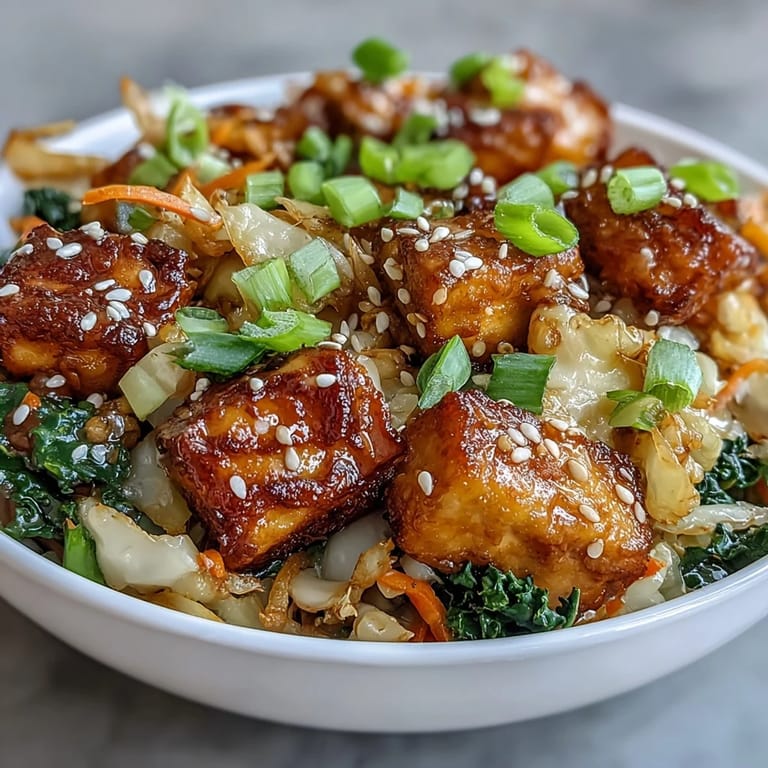
 Save to Pinterest
 I discovered this bowl on a Tuesday night when my fridge was overflowing with greens I'd bought with good intentions and forgotten about. Desperate to use them before they wilted, I grabbed a block of tofu, some pantry staples, and started tossing things into a hot pan. The result was so satisfying—crispy tofu, tender vegetables, that perfect umami sauce—that it became my go-to when I want something that feels indulgent but isn't pretending to be health food.
My friend Maya came over complaining she was tired of her usual weeknight rotation, and I threw this together while we talked. She watched the tofu transform from pale cubes to golden-brown morsels and immediately asked for the recipe—then made it four times that month. Now when she texts about feeling uninspired in the kitchen, this is always the first thing I recommend.
Ingredients
- Extra-firm tofu (400 g): Press it aggressively—I learned this the hard way when my first batch turned into mushy disappointment. The drier it is, the crispier it browns, and that contrast against the tender greens is everything.
- Cornstarch (1 tbsp): This is the secret weapon that gives the tofu its restaurant-quality crust without any weird coating taste.
- Neutral oil (1 tbsp): Use something with a high smoke point like sunflower or canola so the pan gets hot enough to actually fry the tofu rather than steam it.
- Green cabbage (2 cups, thinly sliced): The backbone of the bowl—it stays slightly crisp even when cooked and adds a subtle sweetness that balances the umami sauce.
- Kale (1 cup, stemmed and thinly sliced): Tear out those tough stems or you'll regret it mid-bite. The leaves wilt down beautifully and add a satisfying earthiness.
- Spinach (1 cup, roughly chopped): Adds bulk and softness to contrast with the crispy elements; it wilts in seconds so don't overthink the chopping.
- Carrot (1 large, julienned): The sweetness here matters—it's not just decoration. Cut it thin so it actually cooks and softens rather than staying raw.
- Green onions (3, sliced): Use both the white and green parts; the white parts add sharp onion flavor while the greens are delicate and bright.
- Garlic (2 cloves, minced) and Fresh ginger (1 tbsp, grated): These build the aromatic foundation—the kitchen smells incredible when they hit the hot pan and you'll know you're doing it right.
- Low-sodium soy sauce or tamari (3 tbsp): The tamari swap is seamless if you need gluten-free; I actually prefer the deeper flavor it brings.
- Rice vinegar (1 tbsp): This cuts through the richness and keeps the sauce from tasting heavy—don't skip it or use regular vinegar as a substitute.
- Toasted sesame oil (1 tbsp): Worth buying the good stuff; cheap versions taste flat and chemical, but the real thing makes you taste the difference immediately.
- Maple syrup or agave (1 tsp): Just enough sweetness to round out the sauce without making it taste dessert-like.
- White pepper (1/2 tsp): It's milder and more delicate than black pepper, and it won't create dark specks that might look like grit.
- Sesame seeds (1 tbsp for garnish): Toast them yourself if you have time—they add a nutty depth that pre-toasted store versions sometimes lack.
Tired of Takeout? 🥡
Get 10 meals you can make faster than delivery arrives. Seriously.
One email. No spam. Unsubscribe anytime.
Instructions
- Press and cube the tofu:
- Wrap your tofu block in a clean kitchen towel or paper towels and set it on a plate. Put another plate on top and weigh it down with something heavy—a cast iron pan, canned goods, whatever you have. Give it at least 10 minutes; patience here determines whether you get crispy or sad tofu.
- Coat with cornstarch:
- Cut the pressed tofu into roughly 3/4-inch cubes and toss them gently in a bowl with the cornstarch until every surface is lightly covered. This thin coating is what creates that golden crust when it hits the hot oil.
- Pan-fry the tofu until golden:
- Get your skillet or wok screaming hot over medium-high heat, then add the neutral oil. Once it shimmers and almost smokes, carefully add the tofu cubes in a single layer. Don't move them around frantically—let each side sit undisturbed for 1-2 minutes so they develop that mahogany crust. You're aiming for golden-brown on multiple sides, which takes about 6-8 minutes total. Remove and set aside on a clean plate.
- Build the aromatic base:
- Keep the same pan hot, add the minced garlic, grated ginger, and the white parts of your sliced green onions. Let them sizzle for just a minute—you want them fragrant but not burnt. The kitchen should smell incredible right now.
- Stir-fry the hardy vegetables:
- Add your sliced cabbage, stemmed kale, and julienned carrot all at once. Toss them constantly for 3-4 minutes; you're looking for them to soften slightly but still maintain some bite and that vibrant green color. This is not a step to wander away from—keep your attention on the pan.
- Wilt the spinach:
- Add the roughly chopped spinach and give everything a good toss. It'll go from a giant pile to something that fits comfortably in the pan within about 30 seconds. One minute of cooking is plenty.
- Make the sauce:
- While the vegetables cook, whisk together your soy sauce or tamari, rice vinegar, toasted sesame oil, maple syrup, and white pepper in a small bowl. Taste it straight from the spoon—it should taste balanced, with saltiness, acidity, and a touch of sweetness all present.
- Bring everything together:
- Return the golden tofu to the pan with all the vegetables. Pour that beautiful sauce over everything and toss gently for about 2 minutes, making sure every piece gets coated and the tofu warms through. The sauce should coat things lightly, not pool at the bottom.
- Plate and finish:
- Divide into bowls and top with sesame seeds, the reserved green parts of your green onions, and chili flakes if you like heat. Serve immediately while the tofu is still crispy on the outside and the greens are still bright.
 Save to Pinterest
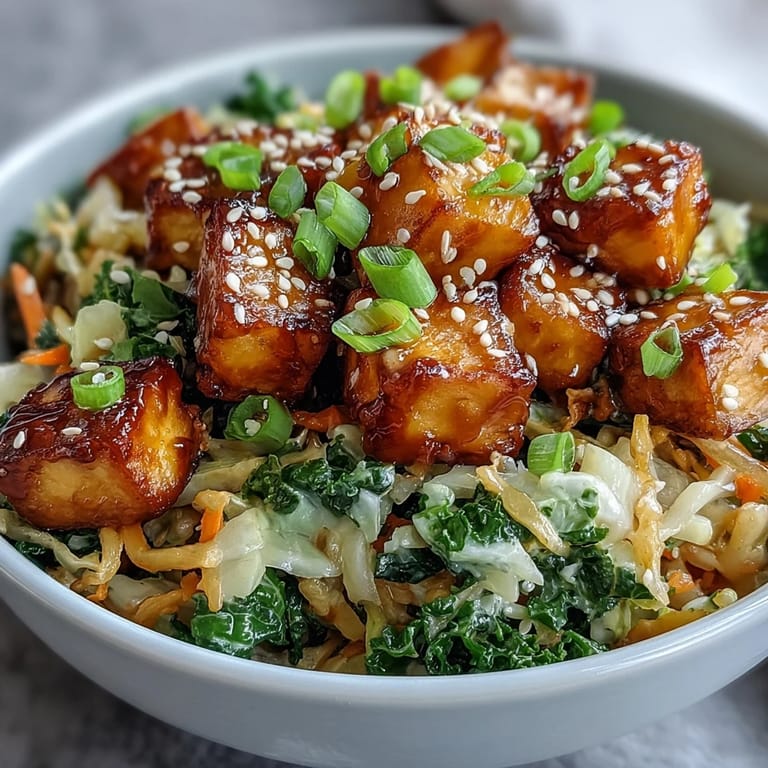
 My partner came home one evening to find me standing in front of the stove with a huge smile on my face, watching golden tofu cubes and emerald greens glisten under that sesame-ginger sauce. He didn't even ask what was for dinner—he just pulled up a stool and we ate straight from the pan, passing it back and forth like two people who didn't need fancy plating to know we were eating something special.
Making It Your Own
This bowl is forgiving in the best way possible. I've made it with bok choy instead of kale when that's what I had, swapped spinach for arugula once because I was out of spinach, and it always comes together. The vegetables are guidelines, not gospel—what matters is that you have something crispy, something tender, and something leafy to balance the rich tofu and sauce. One time I added a handful of shiitake mushrooms and honestly, that's now a regular rotation for me. The sauce is the constant, the unchanging thing that makes this bowl feel like itself no matter what's in it.
Building a Heartier Meal
If you want this to be more substantial—maybe you're feeding someone with a truly ravenous appetite or you just need more bulk—add a grain. Brown rice is the obvious choice and it soaks up the sauce beautifully, but quinoa adds a slightly nutty texture that's interesting, and rice noodles create this slippery, satisfying thing that feels almost noodle-soup-like in the best way. I've even thrown in some cooked farro and it transformed into something heartier and earthier. Start with half a cup of cooked grain per bowl and adjust based on how you like the ratio of vegetables to grain.
Storage and Make-Ahead Wisdom
This is one of those bowls that's best eaten right after you make it because the tofu loses some of its crispy edge once it's been sitting in sauce for a while. That said, you can prep everything separately and assemble in about five minutes on a busy night. Cook the tofu, prep and cook the vegetables, make the sauce—all of this keeps well in separate containers for up to three days. Just reassemble and gently reheat in a pan rather than using the microwave, which will turn your crispy tofu into something unfortunate.
- Make a double batch of sauce and keep it in a mason jar; it's delicious on rice bowls, noodles, or even drizzled over roasted vegetables.
- If you're meal prepping, store the tofu and vegetables separately from the sauce and combine them only when you're ready to eat.
- Leftover greens that are starting to look tired? This bowl is exactly where they belong instead of the compost bin.
 Save to Pinterest
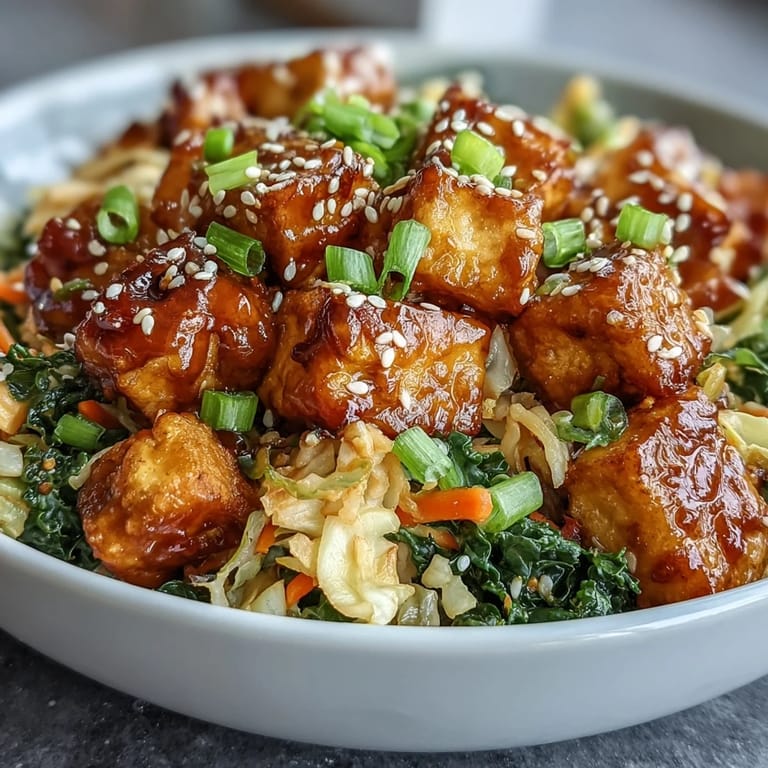
 This bowl reminds me why I cook at home in the first place—it's fast, it's honest, and it tastes like you actually cared about what you were eating. Make it tonight.
Recipe FAQs
- → How do I get crispy tofu?
Press the tofu well to remove excess moisture, then coat cubes evenly in cornstarch before pan-frying. This creates a golden, crispy exterior that holds its texture even after tossing with the sauce.
- → Can I make this gluten-free?
Yes, simply use tamari instead of soy sauce and avoid adding any crispy wonton strips as garnish. All other ingredients naturally fit a gluten-free diet.
- → What vegetables work best?
Green cabbage provides the classic crunch, while kale adds nutrition. You can substitute bok choy, napa cabbage, or snap peas depending on what's available. Keep the carrots for sweetness and color contrast.
- → How long does this keep?
Stored in an airtight container, this bowl keeps well for 3-4 days in the refrigerator. The tofu may soften slightly, but the flavors develop beautifully. Reheat gently on the stovetop.
- → Can I add more protein?
The tofu already provides 17g protein per serving. For extra, consider adding edamame, roasted cashews, or serving over quinoa instead of rice for a complete protein boost.